




Nutrition Strategies for Long-Term GLP-1 Medication Users: A Dietitian’s Perspective

GLP-1 medications such as semaglutide and tirzepatide are increasingly prescribed for weight management and type 2 diabetes, and for many people they can be highly effective. However, as a registered dietitian working clinically, I am becoming increasingly concerned about a growing and under-recognised issue: the risk of malnutrition with long-term GLP-1 use.
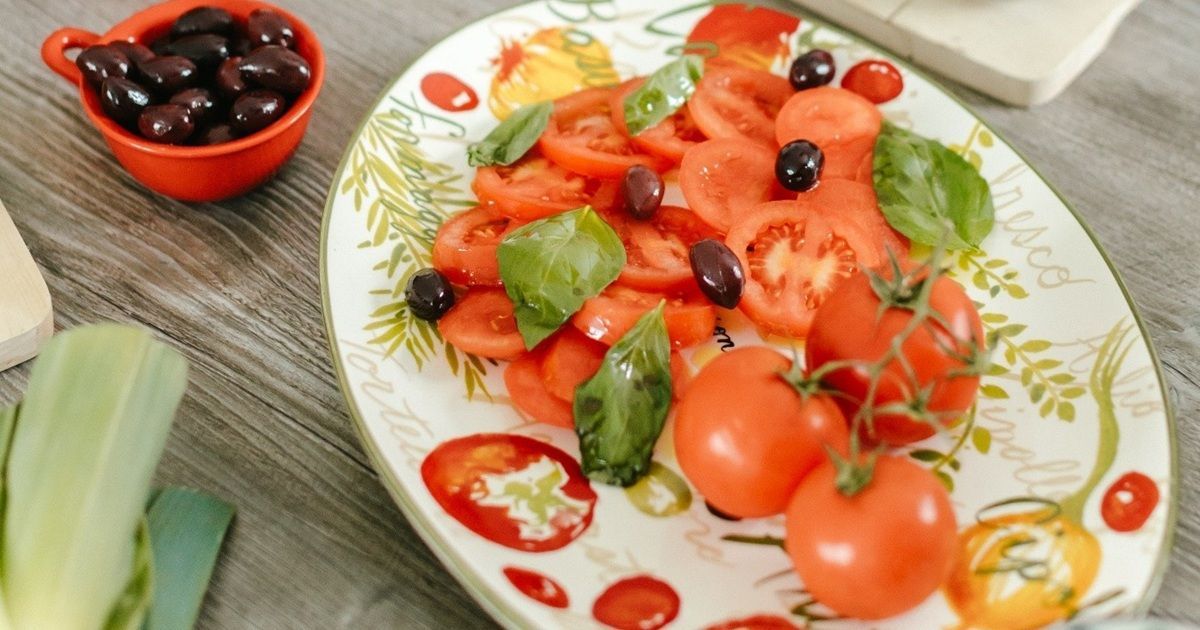
While appetite suppression is part of how these medications work, eating significantly less over prolonged periods without appropriate nutritional guidance can come at a cost.
Why nutrition matters on GLP-1 therapy
GLP-1 medications slow gastric emptying and reduce appetite, which often leads to smaller portion sizes and reduced food intake. In the short term this may support weight loss, but over time it can also mean:
- Inadequate protein intake, increasing the risk of muscle loss
- Insufficient micronutrients such as iron, B12, calcium and vitamin D
- Reduced fibre intake, negatively impacting gut health
- Low overall energy intake, contributing to fatigue and poor concentration
In clinic, I am increasingly seeing individuals who are losing weight rapidly but are also experiencing weakness, low energy, hair loss, poor wound healing and gastrointestinal symptoms (such as constipation) - all potential red flags for nutritional compromise.
Protein: protecting muscle and metabolic health
One of my biggest concerns with long-term GLP-1 use is loss of lean muscle mass. Weight loss is not just fat loss, without adequate protein and resistance-type activity, muscle loss is common.
Prioritising protein at meals is essential to:
- Preserve muscle mass
- Support metabolic rate
- Maintain strength and functional health, particularly as we age
For many people on GLP-1 therapy, this means being intentional with food choices, as hunger cues alone are no longer a reliable guide.
Micronutrients: small intakes, big consequences
When food intake drops, micronutrient intake often drops with it. Over time, this can increase the risk of deficiencies that may not be immediately obvious but can have significant health consequences.
Key nutrients of concern include:
- Iron and B12 – particularly important for energy and red blood cell production
- Calcium and vitamin D – essential for bone health
- Folate and zinc – important for immune function and tissue repair
This is where dietetic assessment, monitoring and, where appropriate, supplementation may become critical.
Fibre, gut health and long-term tolerance
GLP-1 medications can also impact gut function, commonly causing nausea, constipation or bloating. A diet that is too low in fibre, or too restrictive overall can worsen these symptoms and negatively affect the gut microbiome.
Careful, gradual inclusion of fibre-rich foods, alongside adequate fluid intake, is key to supporting gut health and improving medication tolerance.
A dietitian’s concern: are we creating a new nutrition problem?
My concern as a dietitian is not about GLP-1 medications themselves, as they have a valuable role when used appropriately, but about how little nutritional support many people receive alongside them.
Without guidance, there is a real risk that we are sleepwalking into a wave of diet-related malnutrition, muscle loss and poor long-term health outcomes, particularly if these medications are used for years rather than months.
The role of dietetic support
Long-term GLP-1 use should never be “medication only”. Nutrition education, regular review and personalised advice are essential to ensure weight loss is:
- Safe
- Sustainable
- Protective of long-term health
Working with a registered dietitian ensures that nutritional adequacy is maintained, risks are identified early, and individuals are supported to nourish their bodies, even when the appetite is reduced.
For more guidance on how to effectively nourish your body while using weight-loss medication, see our previous blog: How to Nourish Your Body Effectively on GLP-1 Medications Like Ozempic and Mounjaro.