




BLOG

Have you ever eaten what you thought was a "healthy" meal, only to feel hungry again an hour later?

By Spooner Nutrition – Expert Dietitian Advice on Reducing Cholesterol, Preventing Heart Disease & Understanding Statins

GLP-1 medications such as semaglutide and tirzepatide are increasingly prescribed for weight management and type 2 diabetes, and for many people they can be highly effective. However, as a registered dietitian working clinically, I am becoming increasingly concerned about a growing and under-recognised issue: the risk of malnutrition with long-term GLP-1 use.

Why Nutrition Matters at Work

If you’re taking a GLP-1 medication such as Ozempic, Mounjaro , or similar, you’ve likely noticed one of the most immediate effects: a significant reduction in appetite. While this appetite suppression is helpful for weight loss and blood sugar management, it also brings new challenges when it comes to getting enough nutrition . In this blog, we’ll explore how GLP-1 medications change your eating habits , what to prioritise when eating with a reduced appetite, and how to avoid common nutritional pitfalls. Whether you’re managing type 2 diabetes , or looking to lose weight, maintaining a balanced, nourishing diet is essential.

Dietitian vs. Nutritionist in the UK: What's the Difference and Who Should You Trust? When it comes to nutrition advice, there's no shortage of opinions online. Whether you're managing a medical condition or just looking to eat healthier, it’s important to know who you’re getting your information from. In the UK, the terms “dietitian” and “nutritionist” are often used interchangeably, but they’re not necessarily the same. Here's what you need to know.

When temperatures rise, so does your risk of dehydration. Whether you're spending time outdoors, exercising, or just going about your day during a heatwave, staying properly hydrated is essential for your health and well-being. And for those living with diabetes, the risks of dehydration are greater, making hydration a key part of blood glucose management. In this post, we’ll explore practical ways to stay hydrated using both fluids and hydrating foods, and dive into why people with diabetes need to pay more attention during hot weather.

It feels like a day doesn't pass when weight loss injections aren't featured on the news or social media. So why is it so hard to get hold of them via the NHS for weight loss?

Energy density – things to consider if I’m not losing weight
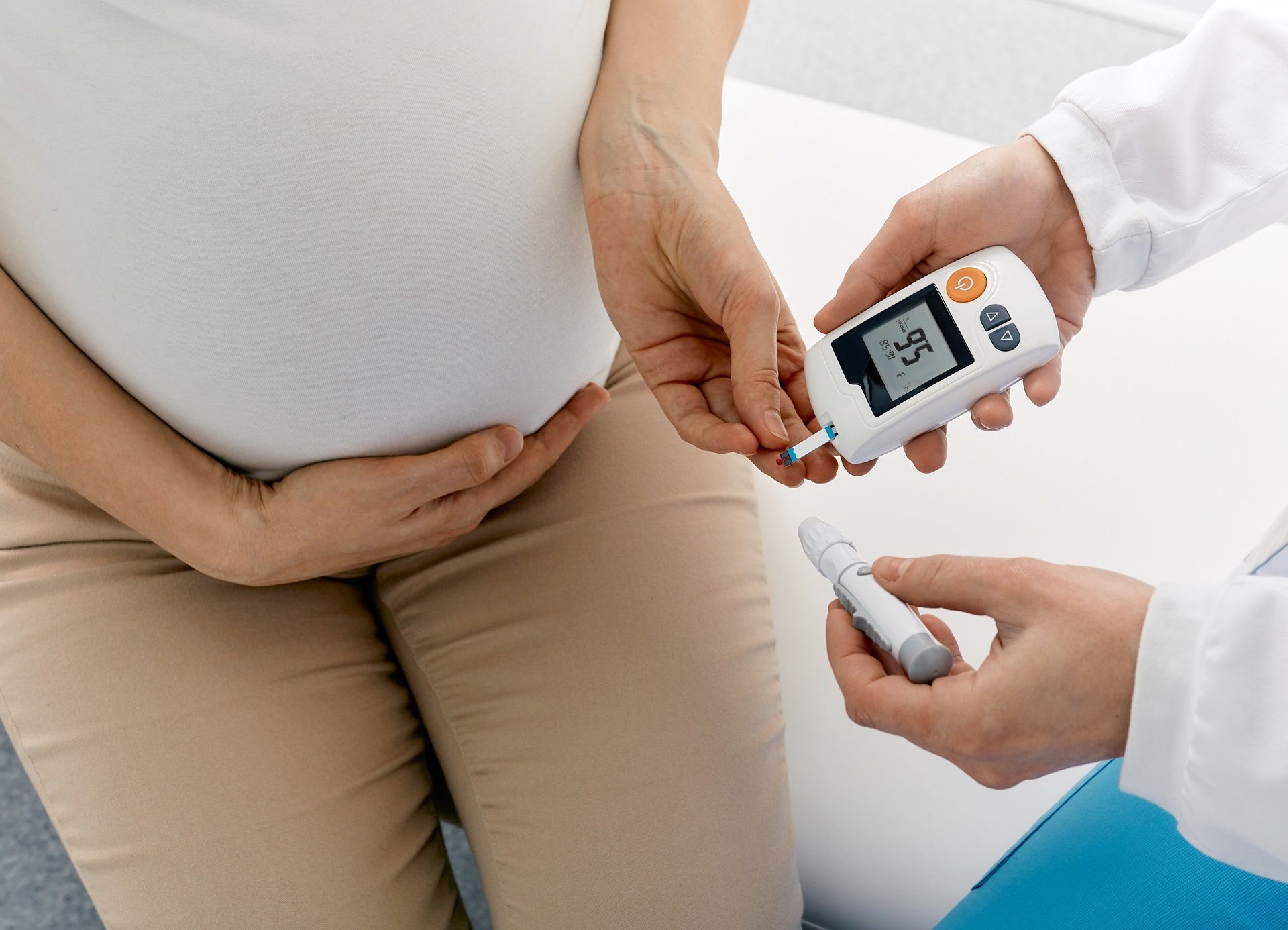
Gestational diabetes is diabetes that can happen during pregnancy. It means the pregnant person has high blood glucose levels and additional care will be needed to help manage this.