


Lowering Cholesterol Naturally vs Statins: What Really Works for Heart Health?

By Spooner Nutrition – Expert Dietitian Advice on Reducing Cholesterol, Preventing Heart Disease & Understanding Statins
High cholesterol is one of the biggest risk factors for cardiovascular disease in the UK. If you’ve recently been told your cholesterol is “too high,” you’re probably wondering:
- Should I change my diet?
- Do I need statins?
- Can lifestyle changes replace medication?
- What actually lowers cholesterol effectively?
Drawing on evidence-based guidance, this article breaks down the pros and cons of diet and lifestyle changes vs statins, and explains why (clinically speaking) statins often come out on top for reducing cardiovascular risk.
Cholesterol & Cardiovascular Risk
Cholesterol itself isn’t “bad.” We need it for hormone production and cell structure. The concern lies with elevated LDL cholesterol (often called “bad cholesterol”), which contributes to plaque build-up in arteries increasing the risk of:
- Heart attack
- Stroke
- Peripheral arterial disease
Lowering LDL cholesterol reduces cardiovascular risk. The question is how best to do that?
Diet & Lifestyle to Lower Cholesterol Naturally
Lifestyle is always the foundation of heart health. Whether or not medication is prescribed, dietary and behavioural changes play a crucial role.
Reduce Saturated Fat Intake
One of the most powerful dietary strategies is lowering saturated fat, found in:
- Fatty cuts of meat
- Butter and ghee
- Full-fat dairy
- Coconut and palm oils
- Processed foods and pastries
Swapping saturated fats for unsaturated fats (olive oil, rapeseed oil, avocado, oily fish) can significantly reduce LDL cholesterol.
Pros:
- Improves overall health, not just cholesterol
- Supports weight management
Cons:
- Requires sustained effort
- Cholesterol reduction may be modest compared to medication
Oats and Soluble Fibre
Oats are rich in beta-glucan, a soluble fibre shown to lower LDL cholesterol by reducing its absorption in the gut.
Aim for:
- Porridge oats
- Oat bran
- Oat-based cereals (with minimal added sugar)
Nuts for Heart Health
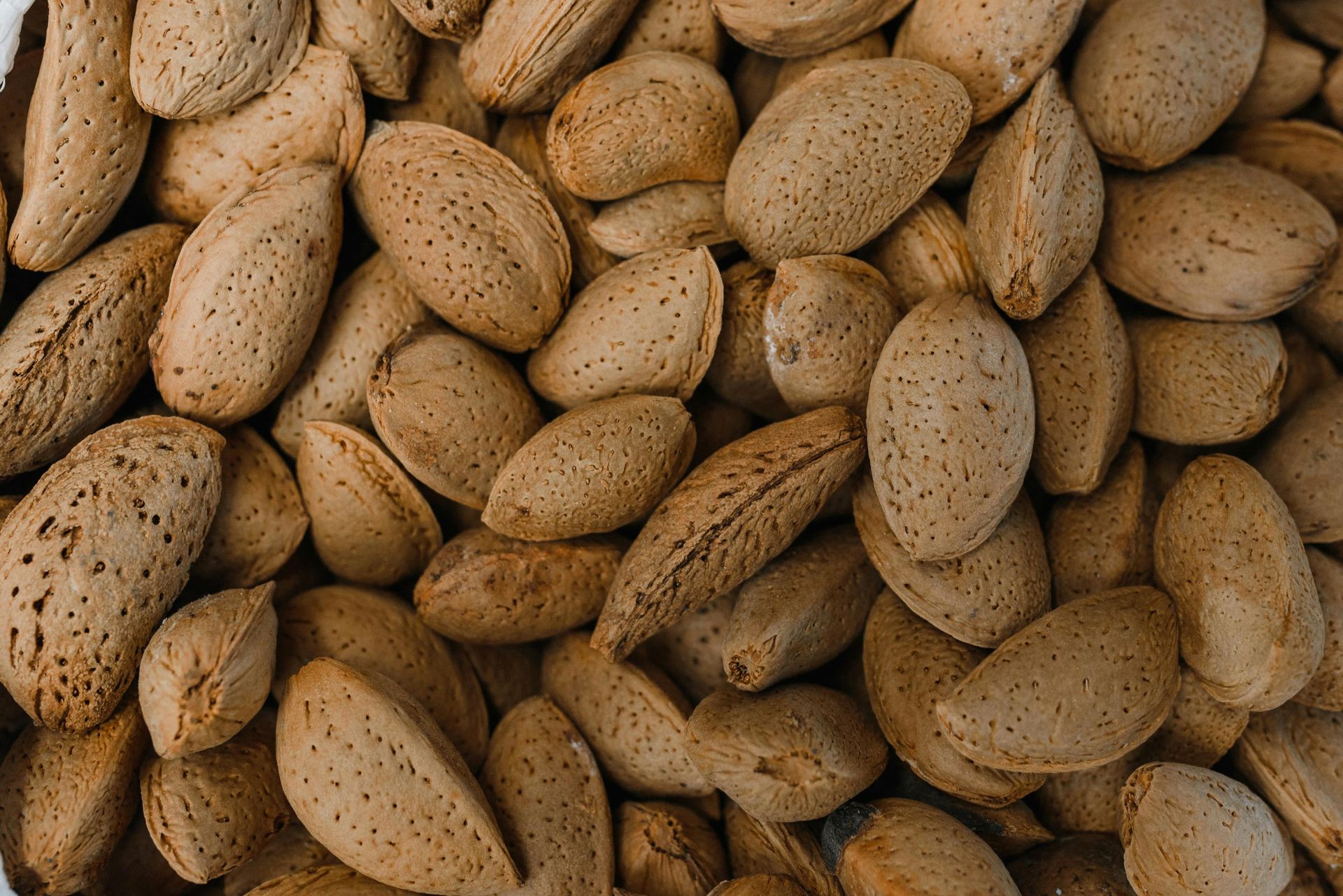
Almonds, walnuts, hazelnuts and pistachios contain:
- Plant sterols
- Fibre
- Unsaturated fats
- Antioxidants
A daily handful (about 30g) has been shown to modestly lower LDL cholesterol.
Soya Protein
Soya foods such as:
- Tofu
- Soya milk
- Edamame
- Soya yoghurt
Replacing animal protein with soya protein can help reduce LDL cholesterol.
The effect is modest, but when combined with other changes, it contributes to meaningful risk reduction.
Plant Stanols and Sterols
Plant stanols and sterols (found in fortified spreads and yoghurts) reduce cholesterol absorption in the gut.
Used daily in recommended amounts, they can lower LDL cholesterol by around 7–12.5%.
However:
- They must be consumed consistently
- They are not suitable for everyone
- They are not a substitute for medication when risk is high
Exercise and Physical Activity
Regular physical activity:
- Raises HDL (“good”) cholesterol
- Improves blood pressure
- Reduces insulin resistance
Aim for at least 150 minutes of moderate activity per week.
Stop Smoking
Smoking damages blood vessels and accelerates plaque formation. Quitting smoking significantly reduces cardiovascular risk!
Stress Management
Chronic stress contributes to:
- Higher blood pressure
- Inflammation
- Unhealthy coping behaviours
Stress reduction techniques (sleep, mindfulness, therapy, time outdoors) are an often-overlooked but powerful part of heart disease prevention.
The Clinical Reality: How Much Can Diet Lower Cholesterol?
A well-structured cholesterol-lowering diet combining:
- Reduced saturated fat
- Oats
- Nuts
- Soya
- Plant sterols
May reduce LDL cholesterol by approximately 10–20% in highly motivated individuals.
That is impressive.
But…
Statins: The Clinical Gold Standard for LDL Reduction
Statins are medications that reduce cholesterol production in the liver. NICE and prescribing practices within the NHS recommended statins when cardiovascular risk reaches a certain threshold.
How Much Do Statins Lower Cholesterol?
Depending on the dose and type, statins can reduce LDL cholesterol by: 30–50%
That is significantly more than diet alone.
Pros of Statins
- Large and predictable LDL reduction
- Strong evidence for reducing heart attack and stroke risk
- Particularly beneficial for high-risk individuals
- Often well tolerated
Extensive research shows statins reduce cardiovascular events, not just cholesterol numbers.
Cons of Statins
- Possible side effects (muscle aches, digestive symptoms)
- Small increased risk of type 2 diabetes in susceptible individuals
- Lifelong medication for many people
- Psychological barrier to “being on tablets”
However, serious side effects are uncommon.
Diet vs Statins: Which Wins?
From a clinical LDL-lowering perspective, statins are the clear winner.
They:
- Lower cholesterol more substantially
- Reduce cardiovascular events more reliably
- Offer protection in high-risk patients
But this doesn’t make diet irrelevant. In fact, the strongest approach is often both together.
The Ideal Approach: Medication + Lifestyle
Even when statins are prescribed, lifestyle remains essential because it:
- Enhances medication effectiveness
- Reduces overall cardiovascular risk
- Improves weight, blood sugar and blood pressure
- May allow lower statin doses
Diet alone may be appropriate when:
- Cholesterol is only mildly elevated
- Overall cardiovascular risk is low
- There is strong motivation for change
Statins are usually necessary when:
- LDL cholesterol is very high
- There is existing cardiovascular disease
- There is diabetes
- There is strong family history
- Overall cardiovascular risk is elevated
The Bottom Line on Lowering Cholesterol
If you're searching for:
- How to lower cholesterol naturally
- Best diet for high cholesterol
- Do statins really work?
- Can I avoid statins?
- Cholesterol lowering foods UK
Here’s the honest answer:
✔ Diet and lifestyle are powerful.
✔ They improve overall heart health.
✔ They reduce cholesterol modestly.
✔ They are essential for prevention.
But when cardiovascular risk is moderate to high, statins provide a level of LDL reduction and risk reduction that diet alone cannot match.
The decision is not diet versus statins. It’s about using the right tool for the right level of risk.